
Extreme summer temperatures can significantly increase the risk of heat-related illnesses, particularly during prolonged periods of hot and humid weather. Every year, emergency departments treat individuals suffering from heat exhaustion, heat cramps, and heat stroke, many of which are preventable through simple safety measures. Whether you work outdoors, enjoy recreational activities, or care for young children or older adults, understanding how to prevent heat-related illness is an important part of staying safe.
Heat-related illnesses occur when the body is unable to cool itself effectively. High temperatures, humidity, strenuous activity, dehydration, and inadequate cooling can all contribute to dangerous increases in body temperature. Taking preventive steps before symptoms develop can greatly reduce the risk of serious medical complications.
Who Is Most at Risk?
Although anyone can experience heat-related illness, certain groups face a higher risk during extreme heat events. Older adults, infants, young children, outdoor workers, athletes, and individuals with chronic medical conditions may have more difficulty regulating body temperature.
People taking certain medications or those without access to air conditioning may also become vulnerable during prolonged heat waves.
Recognizing Early Warning Signs
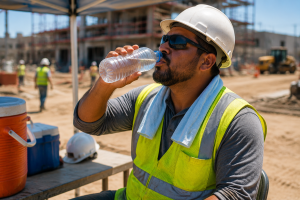 Heat-related illnesses often begin with mild symptoms that gradually worsen if not addressed. Early warning signs may include excessive sweating, muscle cramps, dizziness, headache, weakness, nausea, thirst, and fatigue.
Ignoring these symptoms can lead to heat exhaustion or heat stroke, which requires immediate medical attention.
Stay Hydrated Throughout the Day
Hydration is one of the simplest and most effective ways to help the body regulate temperature. Water supports sweating, which is the body’s primary cooling mechanism during hot weather.
Drink fluids regularly throughout the day, even before feeling thirsty. During prolonged outdoor activities or strenuous work, electrolyte-containing beverages may also help replace minerals lost through perspiration.
Avoid excessive alcohol and beverages with large amounts of caffeine when spending extended periods outdoors, as they may contribute to dehydration for some individuals.
Dress for the Heat
Lightweight, loose-fitting, and light-colored clothing allows better airflow and reflects more sunlight than dark fabrics. Wide-brimmed hats and sunglasses provide additional protection from direct sun exposure.
Whenever possible, choose breathable fabrics that allow moisture to evaporate efficiently.
Schedule Outdoor Activities Carefully
Outdoor exercise, yard work, and physically demanding jobs are often safest during the early morning or evening hours when temperatures are lower. Limiting strenuous activity during the hottest part of the afternoon helps reduce heat exposure.
Frequent breaks in shaded or air-conditioned locations give the body an opportunity to cool down before overheating occurs.
Create a Cooler Environment
Air conditioning remains one of the most effective ways to prevent heat-related illness indoors. When air conditioning is unavailable, spending time at cooling centers, libraries, shopping malls, or community buildings can provide temporary relief during extreme heat.
Closing curtains, using fans appropriately, and reducing indoor heat sources such as ovens may also help maintain safer indoor temperatures.
Never Leave Children or Pets in Vehicles
Temperatures inside parked vehicles can rise rapidly within minutes, even when outside temperatures seem moderate. Children and pets are particularly vulnerable because their bodies heat much faster than adults.
Always check the back seat before locking your vehicle, and never leave anyone unattended inside a parked car.
Prepare for Heat Emergencies
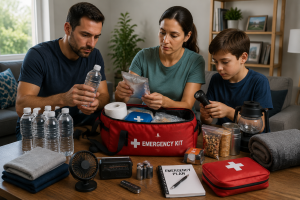 Having a heat emergency plan before temperatures rise helps families respond more effectively during heat waves. Stock bottled water, electrolyte drinks, cooling towels, battery-powered fans, portable chargers, flashlights, and basic first aid supplies.
Monitor weather forecasts regularly and pay attention to heat advisories issued by local emergency management agencies.
Know When to Seek Medical Help
Heat stroke is a medical emergency that requires immediate treatment. Warning signs include confusion, loss of consciousness, seizures, very high body temperature, hot skin, or the absence of sweating despite high temperatures.
If someone shows signs of heat stroke, call emergency services immediately while moving the person to a cooler location and beginning cooling measures if it is safe to do so.
Simple Daily Habits Can Prevent Serious Heat Illness
Preventing heat-related illness does not require complicated equipment or expensive technology. Staying hydrated, limiting outdoor exposure during peak heat, recognizing early symptoms, dressing appropriately, and checking on vulnerable family members can make a significant difference during hot weather.
As extreme heat events become more common, developing safe habits now can help protect yourself, your family, and your community throughout every summer season.
Learn more by visiting our Home, exploring our Safety Resources, reading additional articles in our Blog, or learning more About Us.
For additional information, visit the Centers for Disease Control and Prevention, the National Weather Service, the Ready.gov, and OSHA’s Heat Illness Prevention resources.