
Wearable technology has evolved far beyond simply counting steps. Today’s smartwatches, fitness trackers, connected helmets, smart rings, and health-monitoring devices can provide real-time information that helps people recognize potential health risks before they become serious injuries. Whether someone is exercising, working, driving, or simply going about daily activities, wearable devices are becoming valuable tools for injury prevention.
Modern wearables continuously monitor important health metrics such as heart rate, blood oxygen levels, physical activity, stress levels, sleep quality, and even sudden impacts. Many devices also include fall detection, emergency SOS functions, GPS location sharing, and heat stress monitoring. These features allow users to respond quickly when something unusual occurs, potentially preventing injuries or reducing their severity.
Monitoring Physical Activity More Safely
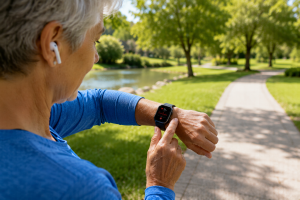 One of the biggest causes of sports and exercise injuries is overtraining. People often push themselves harder than their bodies are prepared to handle, increasing the risk of muscle strains, joint injuries, dehydration, and exhaustion.
Wearable devices help users monitor workout intensity through heart rate tracking, activity duration, recovery recommendations, and exercise load analysis. Many fitness watches now provide alerts when heart rates remain elevated for extended periods or when recovery time is insufficient before another intense workout.
Fall Detection Saves Valuable Time
Falls remain one of the leading causes of injury among older adults. Modern smartwatches can detect sudden falls using motion sensors and accelerometers. If the wearer remains motionless after the fall, many devices automatically contact emergency services or designated family members.
This feature is especially valuable for seniors living independently, hikers exploring remote trails, and workers operating alone in isolated environments. Rapid emergency notification can significantly improve response times following a serious fall.
Helping Prevent Heat-Related Illness
Outdoor workers, athletes, and recreational hikers often face significant heat exposure during the summer months. Wearables that monitor heart rate, body temperature trends, hydration reminders, and environmental conditions can help users recognize early signs of heat stress before dangerous heat exhaustion or heat stroke develops.
Receiving a reminder to hydrate or rest may seem simple, but these small interventions can prevent medical emergencies.
Improving Workplace Safety
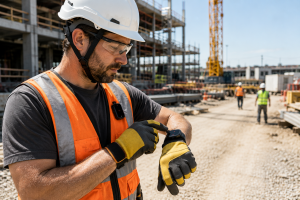
Employers increasingly use wearable technology to improve workplace safety. Connected helmets, smart safety vests, posture sensors, and fatigue-monitoring devices help identify hazardous conditions before accidents occur.
Some wearable systems alert workers when entering restricted areas, while others monitor environmental hazards such as excessive noise, poor air quality, or dangerous temperatures.
Construction, manufacturing, logistics, and warehouse operations have become early adopters of wearable safety technology because many workplace injuries are preventable through earlier hazard recognition.
Encouraging Better Ergonomics
 Office workers also benefit from wearable technology. Prolonged sitting, poor posture, repetitive movements, and insufficient physical activity contribute to neck pain, back injuries, and repetitive stress disorders.
Many wearable devices provide posture reminders, movement alerts, stretch recommendations, and standing goals throughout the workday. These small behavioral changes can significantly reduce cumulative musculoskeletal injuries over time.
Wearables Support Safer Driving
Some wearable devices integrate with smartphones and vehicles to reduce distracted driving. Voice commands, emergency crash notifications, and automatic emergency contact alerts allow drivers to remain focused on the road while still staying connected.
Although wearables cannot prevent every crash, they contribute to safer driving habits by minimizing unnecessary phone handling and providing emergency assistance when collisions occur.
Choosing the Right Wearable Device
Consumers should select wearable devices based on their individual lifestyles and safety needs. Active runners may prioritize heart rate accuracy and GPS tracking, while older adults may value fall detection and emergency calling. Outdoor workers might benefit from rugged devices with environmental monitoring, while office workers may focus on posture correction and activity reminders.
When comparing devices, users should consider battery life, emergency features, comfort, water resistance, software updates, and compatibility with smartphones or health applications.
Technology Supports—But Doesn’t Replace—Safe Habits
While wearable technology offers valuable health insights, it should never replace common-sense safety practices. Proper hydration, protective equipment, defensive driving, workplace training, and regular medical care remain essential components of injury prevention.
Wearables work best when combined with healthy habits and informed decision-making. They provide additional awareness that empowers people to recognize risks earlier and respond appropriately.
The Future of Injury Prevention Technology
Artificial intelligence, improved sensors, and connected health systems continue to expand the capabilities of wearable technology. Future devices may predict injury risk based on movement patterns, identify early signs of illness, monitor fatigue more accurately, and provide increasingly personalized safety recommendations.
As wearable technology becomes more sophisticated and accessible, individuals, families, employers, and healthcare professionals will have even more tools available to reduce preventable injuries and promote healthier living.
For more practical safety advice, visit our Home, explore our Safety Resources, learn more About Us, or browse additional articles in our Blog.
For additional information, visit the Centers for Disease Control and Prevention, the National Institute for Occupational Safety and Health, the National Highway Traffic Safety Administration, and the World Health Organization.