
Lithium-ion batteries power many of the devices used in modern homes, including smartphones, laptops, cordless tools, cameras, vacuum cleaners, e-bikes, e-scooters, toys, and portable power stations. These rechargeable batteries are popular because they store considerable energy in a relatively compact package. However, a damaged, defective, incompatible, or improperly charged battery can overheat and create a serious fire hazard.
Most lithium-ion products can be used safely when consumers follow the manufacturer’s instructions and pay attention to signs of damage. Preventing a battery fire begins with choosing reputable products, using the correct charging equipment, inspecting batteries regularly, and keeping charging areas away from combustible materials and escape routes.
Why Can Lithium-Ion Batteries Catch Fire?
A lithium-ion battery contains multiple components designed to store and release energy in a controlled manner. A manufacturing defect, internal short circuit, physical impact, excessive heat, incompatible charger, or unauthorized modification may cause a cell to overheat.
In severe cases, the battery can enter a process called thermal runaway. During thermal runaway, a cell produces heat faster than it can release it. That heat can ignite the battery’s flammable electrolyte and spread to neighboring cells. The result may include intense heat, fire, exploding cells, hot material, hazardous gases, and dense smoke.
The U.S. Consumer Product Safety Commission warns that lithium-ion battery incidents can occur while products are charging. The agency advises consumers to remain present during charging and never charge micromobility products while sleeping or away from home.
Use the Correct Battery and Charger
One of the most important ways to prevent lithium-ion battery fires at home is to use only the battery, charging cord, and charger supplied or approved by the product manufacturer. A charger that physically fits a device is not necessarily electrically compatible with it.
Different chargers can supply different voltages and currents. An incompatible charger may bypass or overwhelm the protections designed for a specific battery pack. Avoid inexpensive universal chargers, unverified replacement batteries, and components that do not clearly identify the products they support.
Look for Recognized Product Safety Certification
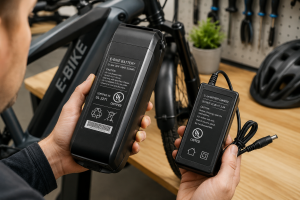 When purchasing an e-bike, e-scooter, hoverboard, replacement battery, or charger, look for certification from a nationally recognized testing laboratory. Relevant standards may include UL 2849 for e-bike electrical systems, UL 2272 for personal e-mobility devices, and UL 2271 for batteries used in light electric vehicles.
A certification mark does not eliminate every possible hazard, but independent testing can provide greater assurance that the complete electrical system has been evaluated against applicable safety requirements. Be cautious when a seller makes vague claims such as “built to UL standards” without showing that the product is actually certified.
Create a Safer Charging Area
Charge batteries on a stable, dry, hard surface away from paper, bedding, upholstered furniture, curtains, clothing, solvents, gasoline, and other combustible materials. Do not charge a device underneath a pillow, on a bed, or inside a closed container because trapped heat can increase the risk of overheating.
Keep the charging area visible and accessible. A device should not be charged in a hallway, doorway, stairwell, or other location that could block an exit if it catches fire. This is especially important for e-bikes and e-scooters, which use much larger battery packs than phones and other small electronics.
Stay Nearby While the Battery Charges
Do not leave large lithium-ion batteries charging overnight or while no one is home. Check the battery periodically and disconnect it when charging is complete, unless the manufacturer specifically instructs otherwise.
Connect the charger directly to a suitable wall outlet whenever the manufacturer recommends it. Avoid overloading power strips or extension cords. A damaged outlet, loose plug, overheated adapter, or undersized extension cord can create an electrical fire hazard separate from the battery itself.
Allow Hot Batteries to Cool Before Charging
A battery may become warm during ordinary use, particularly after operating a power tool, e-bike, lawn mower, or vacuum cleaner. Follow the product instructions regarding cooling time before charging. Never place a hot battery in a refrigerator or freezer to cool it quickly, because condensation and rapid temperature changes may damage it.
Inspect Batteries for Warning Signs
Stop using a battery when it shows signs of damage or abnormal behavior. Warning signs may include swelling, cracking, leaking, unusual heat, discoloration, hissing, popping, a strong or unusual odor, smoke, sparks, or a sudden decline in performance.
A battery that has been dropped, crushed, punctured, submerged, or involved in a collision may be damaged internally even when the exterior looks normal. Contact the manufacturer or a qualified service provider for instructions before charging or using it again.
Do not open, rebuild, modify, or replace individual cells inside a battery pack unless the work is performed by a properly qualified professional. Homemade battery packs and packs assembled from used or repurposed cells may lack dependable temperature, voltage, and current protections.
Store Lithium-Ion Batteries Safely
Store batteries in a cool, dry place away from direct sunlight, heaters, furnaces, hot vehicles, and other sources of excessive heat. Follow the manufacturer’s recommended storage temperature and charge level, particularly when storing a seasonal product for several months.
Protect exposed battery terminals from contact with metal objects such as keys, coins, screws, and tools. Metal can connect the terminals and cause a short circuit. Keep spare batteries in their original packaging, a protective case, or another arrangement recommended by the manufacturer.
Store larger batteries away from sleeping areas and primary exits whenever practical. Do not create large collections of old, damaged, or unused batteries inside the home. Review the household-hazard information available through the site’s safety resources when building a broader home injury-prevention plan.
Do Not Put Lithium-Ion Batteries in Household Trash
Lithium-ion batteries should not be placed in household garbage or curbside recycling bins. A discarded battery can be crushed or punctured in a collection truck or recycling facility, creating a fire that threatens workers and equipment.
The U.S. Environmental Protection Agency recommends taking used lithium-ion batteries to an appropriate battery recycler or household hazardous-waste collection location. Consumers can also search for participating drop-off locations through Call2Recycle.
Before transporting an undamaged battery for recycling, follow the collection program’s instructions. Programs may ask consumers to place each battery in a separate plastic bag or cover exposed terminals with nonconductive tape. A recalled or damaged battery may require special handling, so do not transport it until the manufacturer, local fire department, or hazardous-waste authority provides instructions.
Prepare for a Battery Emergency
 Install working smoke alarms on every level of the home, inside bedrooms, and outside sleeping areas. Test alarms regularly and develop a household escape plan with two ways out when possible. More general preparedness guidance is available in the site’s injury-prevention articles.
If a battery begins hissing, swelling, smoking, sparking, or releasing gas, move away and alert everyone in the home. Do not pick up a smoking battery or attempt to carry a burning device through the building. Leave the area, close doors behind you when possible, stay outside, and call emergency services.
The National Fire Protection Association provides additional safety information about lithium-ion battery products and household fire prevention. Follow instructions from emergency responders rather than returning inside to retrieve the device.
A Simple Lithium-Ion Battery Safety Routine
Battery safety does not require complicated equipment. Before charging, inspect the battery and cord, confirm that the charger is approved for the device, and place the product on a clear, nonflammable surface. Remain nearby, keep exits unobstructed, and disconnect the charger when charging is finished.
Replace batteries only with manufacturer-approved components. Stop using products that behave abnormally, check the CPSC recall database when a product may be affected by a safety notice, and recycle unwanted batteries through an authorized collection program.
Final Thoughts
Lithium-ion batteries make portable electronics, tools, transportation, and household appliances more convenient, but their stored energy must be managed carefully. Using certified products, matching batteries with the correct chargers, supervising charging, recognizing damage, protecting escape routes, and recycling batteries properly can substantially reduce preventable hazards.
Every household should include battery safety in its larger fire-prevention and emergency-readiness routine. Small habits—such as avoiding overnight charging and checking a battery before use—can help prevent a defective or damaged product from becoming a life-threatening emergency.